FSM, Tuvalu back UN push for methane cuts, seek stronger global accountability


By Ron Rocky Coloma
Pacific island leaders are calling for stronger international action on methane emissions, arguing that one of the world's most powerful greenhouse gases is fueling climate impacts already being felt across some of the countries most vulnerable to global warming.
Officials from Tuvalu and the Federated States of Micronesia endorsed U.N. Secretary-General António Guterres' call for greater global efforts to reduce methane emissions, while urging governments and industries to move beyond voluntary commitments and deliver measurable reductions.
Their statements reflect a growing push by Pacific nations to elevate methane as a priority climate issue, arguing that cutting emissions from the gas could provide one of the fastest ways to slow warming in the near term.
Methane is released through activities including oil and gas production, transportation infrastructure, coal mining and agriculture. While carbon dioxide remains the largest contributor to climate change, scientists have increasingly identified methane reductions as an important tool for limiting temperature increases over the coming decades.
Pacific leaders say the issue carries particular urgency for low-lying island nations already facing rising sea levels, coastal erosion, changing weather patterns and warming oceans.
"For Tuvalu, as one of the most climate vulnerable countries in the world, every fraction of a degree of warming threatens our land, our lives and our future," said Maina Vakafua Talia, Tuvalu's minister of home affairs, climate change and environment.
Talia described methane mitigation as one of the most effective but underutilized climate solutions available to the international community.
"It’s like having a remedy but not using it to cure a deadly illness," he said.
Tuvalu's statement focused heavily on methane emissions linked to fossil fuel production, including oil and gas extraction, transportation systems and coal mining. The government called for an "urgent phase out of the extraction and use of fossil fuels and a rapid transition to renewable energy."
ADVERTISEMENT

The Federated States of Micronesia echoed concerns about methane while connecting the issue to climate impacts already affecting communities across the Pacific.
"The Federated States of Micronesia applauds the UN Secretary-General's urgent call to cut methane emissions," said Florian J. Yatilman, secretary of environment, climate change and emergency management.
Yatilman said recent environmental conditions in Micronesia illustrate the urgency of addressing climate change and the greenhouse gases contributing to it.
"This month, the first signs of El Niño devastated communities in our archipelago. The waters heated and turned black, and tens of thousands of the reef fish we depend on for food suffocated and washed up on our shores," he said.
"Scientists tell us it is only the beginning."
He argued that methane reductions should not be viewed as a secondary climate strategy for small island developing states already experiencing environmental and economic consequences from warming temperatures.
"For small island states at the forefront of climate impacts, methane action is not a secondary solution. It is a primary, immediate answer to the crisis we are experiencing firsthand," Yatilman said.
The statements build on previous commitments by Pacific leaders. In a 2025 Pacific Islands Forum communiqué, regional leaders called for collective action to address short-lived climate pollutants, particularly methane emissions, describing climate change as a grave threat to Pacific peoples, economies and cultures.

Micronesia also pointed to its status as one of the earliest signatories of the Global Methane Pledge, an international initiative launched in 2021 to encourage countries to reduce methane emissions.
"As one of the very first signatories of the Global Methane Pledge, we have and will continue to champion ambitious methane action and push at every opportunity for greater ambition," Yatilman said.
Both governments argued that stronger international oversight and accountability measures are needed to ensure climate commitments produce tangible results.
Talia said countries and companies must be held accountable for translating promises into action.
"We believe that strengthened global implementation architecture is necessary to ensure countries and companies turn their promises to real action," he said.
The comments also referenced a recent advisory opinion issued by the International Court of Justice, which identified carbon dioxide, methane and nitrous oxide as the primary greenhouse gases driving climate change.
According to the opinion, states have obligations to regulate emissions and establish effective legal and administrative systems to prevent environmental harm.
Micronesia went further by supporting calls for a binding international agreement focused specifically on methane emissions.
"As the secretary general has clearly explained, voluntary measures are failing to deliver. More serious global action is needed, or it could be too late," Yatilman said.
Looking ahead, Tuvalu said it plans to place a greater focus on methane solutions when it serves as co-chair of the Global Conference Transitioning Away from Fossil Fuels in 2027.
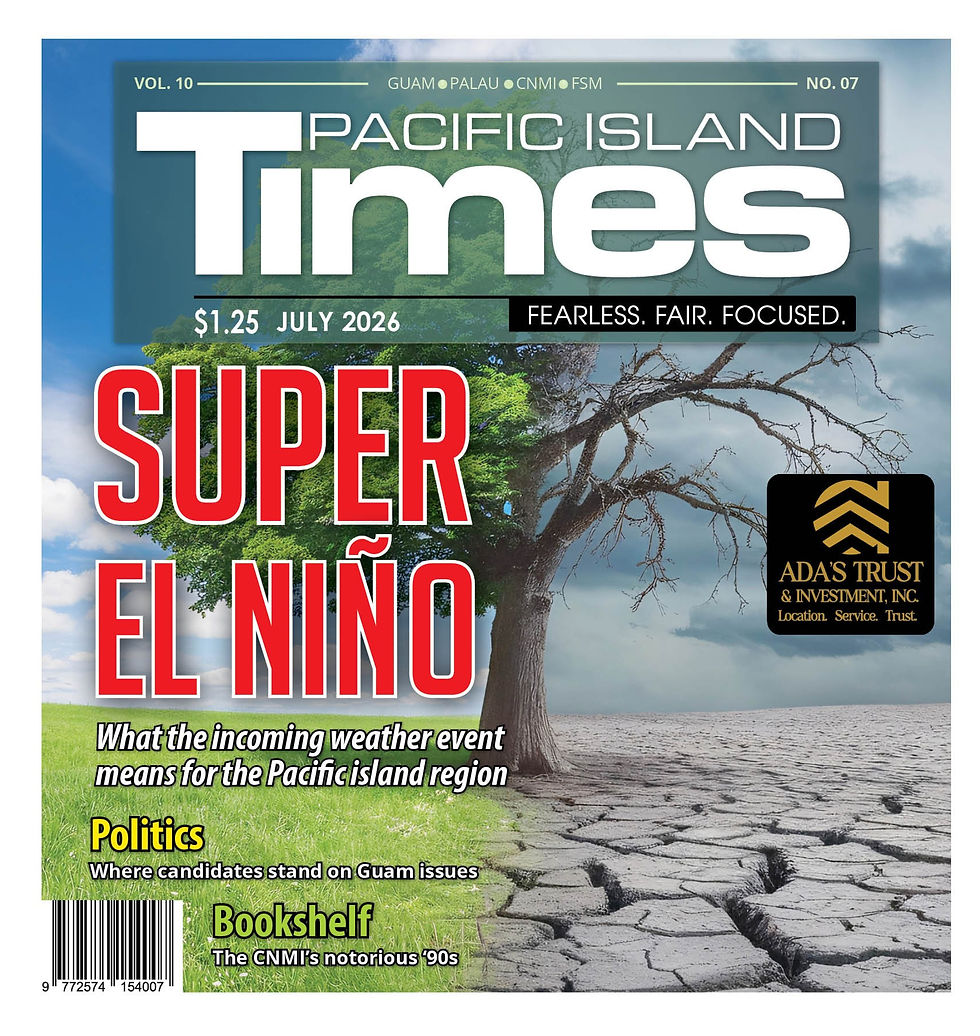
Subscribe to
our digital
monthly issue