Rota at risk of brown tree snake invasion amid flow of relief cargo from Guam


By Jayvee Vallejera
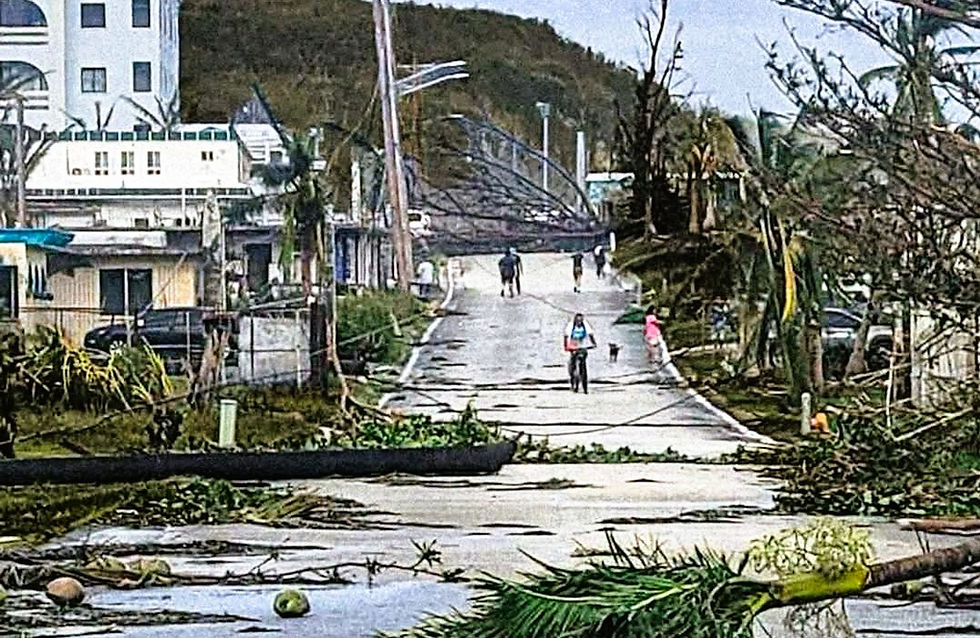
With so much aid flowing into Rota after being hit by Super Typhoon Bavi in early July, this unspoiled island 73 nautical miles south of Saipan is in danger of being overrun by invasive brown tree snakes from Guam.
So far, the CNMI Division of Fish and Wildlife has already received reports of two brown tree snakes being spotted on Rota in the last few days. One was already dead when it was discovered, while another was spotted live and was reportedly killed, but DFW was unable to find its carcass later.
Relief goods and construction materials being flown and shipped to the CNMI are usually transshipped through Guam. The odds of brown tree snakes slithering into these goods and hitching a ride to Rota have grown exponentially in the wake of disaster relief activities for the CNMI.
Reports of the two snakes being spotted on Rota have raised alarms in both Guam and the CNMI.
The Brown Treesnake Program of the CNMI DFW has deployed more staff, traps, and equipment to Rota to inspect all incoming cargo and trap any possible snakes that may have been able to slip through.
DFW has also asked federal partners, including the Office of Insular Affairs, the U.S. Geological Survey and the U.S. Fish and Wildlife Service, to assist its response efforts.
“These incidents highlight the ongoing risk of BTS introduction into the CNMI and reinforce the critical importance of early reporting and cargo inspections,” DFW said in a statement.
There are currently no snakes in the CNMI.
Brown tree snakes were introduced to Guam after World War II. They are blamed for killing all birds on Guam and sparking widespread power outages.
DFW said snakes can be difficult to detect even with trained dogs.
Redundant inspections—one performed before leaving Guam and one after arriving in the CNMI—remain the most effective way to prevent snakes from entering the CNMI, DFW added.
The U.S. Department of Agriculture on Guam provides free 24-hour BTS inspections for departing cargo, equipment, vehicles and vessels. The CNMI BTS Program also inspects them once they arrive in the CNMI.
On Guam, the local DOA urges anyone transporting cargo, vehicles, or vessels to have them inspected before leaving Guam and again upon arriving in the CNMI.
These inspections are free and are critical to preventing the spread of brown tree snakes to other islands.
“Before departing Guam, all aircraft, cargo, vehicles, and vessels that have been staged, stationed, or stored on Guam should be inspected,” GDOA said in a news release.
Containers and their contents must be inspected before packing. Once inspected, containers cannot be reopened unless they are re-inspected, GDOA added.
Interdiction efforts include trained sniffing dogs in both Guam and the CNMI. Snake traps are also installed in fences surrounding airports and seaports in Guam.
According to a CNMI DFW news release, its BTS Program received a report on July 29, 2026, of a dead brown tree snake inside personal cargo that had been brought to Rota by a small vessel.
The snake had hidden itself within a ladder and was found at a Songsong home immediately after being unloaded, DFW said.
After responding to the report, DFW BTS Program staff collected and examined the snake. Their assessment indicated it was already dead when it arrived on Rota, as it was already decaying.
ADVERTISEMENT

On July 30, the DFW BTS Program received a report about a second snake encounter that happened on July 28 in Sinapalo.
In an interview with the person who had encountered the snake, it was learned that the snake had been killed, but the body was thrown in the jungle and could not be recovered.
DFW said reports of potential brown tree snake sightings are extremely important and are treated with the highest priority.
“A rapid and timely response to such reports combined with continued vigilance from the entire community, including shippers, cargo handlers, vessel operators, residents and visitors, is critical to ensuring snakes do not establish in the CNMI,” DFW said.
These days, the CNMI relies on small vessels to transport goods between islands. That means the chances for snakes and other invasive species to move between islands are high as the CNMI works to recover from Bavi.

Subscribe to
our digital
monthly issue