


How ancient Pacific Islanders survived typhoons

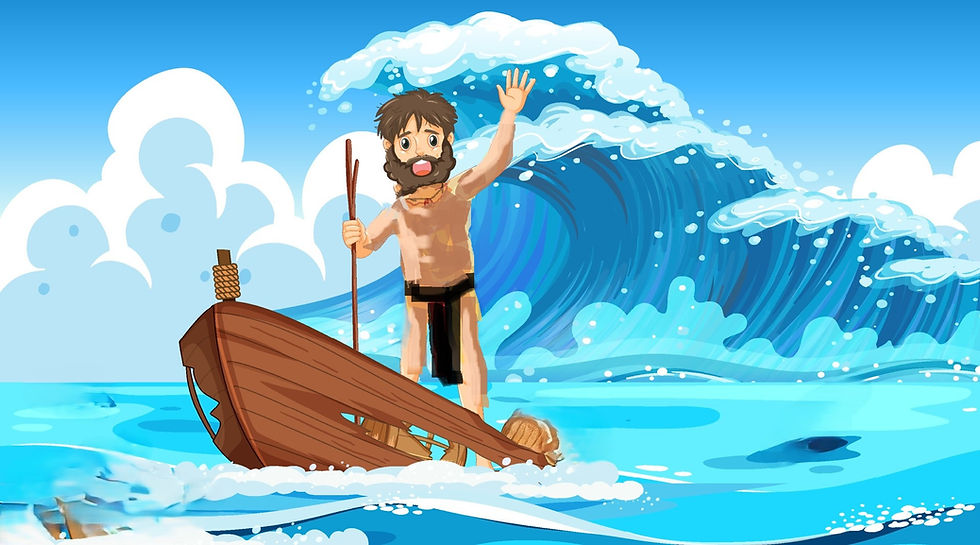

Picture this: It’s late afternoon in a small village somewhere in the Mariana Islands, hundreds of years ago. The ocean suddenly feels strange. The waves are rougher than normal. Fishermen begin rushing back to shore earlier than expected. The elders quietly stare toward the horizon before calmly giving instructions to the villagers to start preparing.
There were no satellites then. No weather apps. No smart phones. Nobody received emergency alerts on their phones. There were no news broadcasts and nobody went live on social media to discuss a looming super typhoon.
Yet somehow, everyone already knew.
After the storm passed, the villagers worked together repairing homes and helping one another recover. They shared the food and water they had saved before the storm. Survival was a communal concern rather than an individual worry.
Typhoons are powerful and unforgiving, leaving a trail of destruction in their wake. One question arises: Without the modern technology we have today, how did ancient Pacific Islanders survive powerful typhoons?
The simple answer: They did not try to “fight” nature. They learned to live with it.
For thousands of years, islanders survived some of the strongest storms using nature as their “weather channel.” Their knowledge came from generations of experience and observation. They didn’t need a college degree to learn to read the ocean and sky and recognize warning signs of foreboding typhoons or other weather anomalies. They used cloud patterns, bird activities, wind shifts, turbulent seas and alterations in the scent of the air as natural tools to predict the weather.

In his book "On the Road of the Winds," Patrick Vinton Kirch explains how Pacific Islanders adapted their lives to the realities of storms, rough seas and environmental challenges.
They built their homes with harsh weather in mind. For example, the ancient CHamoru latte houses stood on top of stone pillars known as latte stones. These raised structures helped protect homes not only from flooding but also from moisture and pests. If roofs crafted from woven pandanus leaves or coconut fronds were damaged, villagers swiftly repaired them using materials collected from their surroundings.
The islanders understood that survival depended on preparation before disaster struck. Everyone had a role. Elders shared knowledge and helped guide village decisions. Families stored water and preserved food by drying, smoking or fermenting breadfruit, taro, fish and coconut products. Fishermen pulled their boats and their canoes inland to protect them from strong winds.
For Pacific Islanders then and now, survival means working together.
In the past decade, typhoons including Soudelor, Yutu, Mawar and Sinlaku have reminded islanders just how fragile modern systems can be. In only a matter of hours, storms knocked out electricity, water supply, communications and air transportation across the Mariana Islands. For weeks, communities relied on generators and emergency supplies. People waited in line for hours for basic services, ready-to-eat food, drinking water, fuel and even access to laundromats.
Ancient islanders were self-sufficient. They focused on survival, anticipating storms, droughts and rough seas and adjusting their lives accordingly.
That does not mean life was easy for them. Typhoons were still terrifying and destructive. Families suffered and lives lost. However, traditional knowledge often helped communities recover more quickly because people understood how to survive with available resources and tools. There were no outside disaster agencies like the American Red Cross, FEMA or private organizations to provide relief.
ADVERTISEMENT

In the past, Pacific Islanders survived without today’s technology because they recognized a reality modern society often overlooks: the islands are at the mercy of the sea and sky.
A 2024 study titled “Traditional Knowledge for Climate Resilience in the Pacific Islands” noted that most climate change plans in the Pacific focus on modern science and Western approaches while often overlooking traditional knowledge. Yet that traditional knowledge included vital survival skills, such as predicting weather patterns, protecting food and water supplies, caring for natural resources and building homes designed to withstand harsh weather conditions.
Some of this traditional knowledge still survives today. Across parts of Micronesia, some programs and elders continue teaching the younger generation traditional skills that do not depend entirely on technology.
Raquel Bagnol is a longtime journalist. She worked as a reporter for Marianas Variety on Saipan and Island Times in Palau. Send feedback to gukdako@yahoo.com

Subscribe to
our digital
monthly issue


